Sundar Pichai and Carl Icahn: The Real Story Behind Their Business Connection

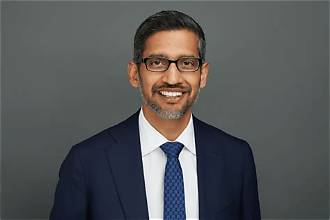
Sundar Pichai and Carl Icahn are two influential figures in American business whose careers intersected indirectly through Google’s acquisition of Motorola Mobility. In 2011, Icahn was a major Motorola Mobility shareholder when Google agreed to purchase the smartphone manufacturer for approximately $12.5 billion. Pichai was already a senior executive at Google, although he was not its CEO or a named negotiator in the acquisition. Their connection is therefore rooted in a significant corporate transaction rather than a documented personal partnership. The story offers a closer look at shareholder activism, technology leadership, and one of Google’s most important early investments in the Android ecosystem.
Who Are Sundar Pichai and Carl Icahn?
Although both men have influenced major American companies, they built their careers in different areas of business.
Sundar Pichai: CEO of Google and Alphabet
Sundar Pichai is an Indian-born technology executive who serves as CEO of Google and its parent company, Alphabet Inc.
He joined Google in 2004 and became closely associated with the development of Google Chrome and other major products. His leadership responsibilities expanded as Google’s products reached users worldwide.
Pichai earned an engineering degree from the Indian Institute of Technology Kharagpur, a master’s degree from Stanford University, and an MBA from the Wharton School of the University of Pennsylvania.
His career at Google includes several important milestones:
- 2004: Joined Google.
- 2011: Served as senior vice president of Chrome.
- 2015: Became CEO of Google.
- 2019: Became CEO of Alphabet while continuing to lead Google.
As CEO, Pichai has overseen Google’s expansion in artificial intelligence, cloud computing, and consumer technology.
Carl Icahn: Investor and Shareholder Activist
Carl Icahn is an American investor known for acquiring substantial ownership stakes in companies and challenging management decisions.
Born in New York City in 1936, Icahn graduated from Princeton University with a philosophy degree in 1957. He began his Wall Street career in 1961 and established Icahn & Co. in 1968.
His investment strategy became associated with shareholder activism, in which investors use their ownership positions to advocate changes in corporate strategy, leadership, or financial structure.
Throughout his career, Icahn has invested in companies including Apple, eBay, Netflix, Motorola, and several major industrial businesses.
He is also associated with Icahn Enterprises, a diversified holding company with interests across multiple industries.
Unlike Pichai, whose influence comes primarily from corporate management, Icahn built his reputation through investing and shareholder negotiations.
What Is the Connection Between Sundar Pichai and Carl Icahn?
The clearest connection between Sundar Pichai and Carl Icahn dates to Google’s acquisition of Motorola Mobility in 2011.
At the time, Motorola Mobility was a major manufacturer of Android smartphones. Google supplied the Android operating system, while Motorola produced devices that used the software.
Icahn and his affiliated investment entities controlled approximately 11.39% of Motorola Mobility’s outstanding common shares, according to the company’s 2011 merger proxy statement.
Pichai, meanwhile, was working on Google’s Chrome business. A May 2011 Google announcement identified him as senior vice president of Chrome.
Although both were connected to companies involved in the transaction, their responsibilities were separate.
Google’s acquisition negotiations involved executives including Larry Page, Andy Rubin, Nikesh Arora, and David Drummond. Pichai was not identified among the negotiators in Motorola Mobility’s detailed merger disclosures.
Carl Icahn’s Role in Google’s Motorola Mobility Acquisition
Why Motorola’s Patent Portfolio Was Valuable
In 2011, competition between smartphone manufacturers was becoming increasingly dependent on intellectual property.
Companies such as Apple, Microsoft, and Google were navigating complicated patent disputes involving mobile operating systems and communications technology.
Motorola Mobility owned a substantial portfolio of patents covering wireless communications and other technologies used in smartphones.
That intellectual property had strategic value beyond Motorola’s existing handset business.
Google viewed the portfolio as a way to strengthen Android’s position and protect its ecosystem against patent-related challenges.
Icahn Pressured Motorola to Explore Its Patents
In July 2011, Icahn and Daniel Ninivaggi, a Motorola Mobility director designated by Icahn, contacted Motorola CEO Sanjay Jha.
They encouraged the company to explore strategic alternatives for its patent portfolio.
Motorola’s merger documents record these discussions and the company’s ongoing conversations with Google.
Icahn’s involvement was significant because his shareholding gave him a financial interest in any transaction affecting Motorola’s value.
On August 15, 2011, Google announced an agreement to acquire Motorola Mobility for $40 per share in cash, valuing the deal at approximately $12.5 billion.
Google CEO Larry Page described the strategic reasoning behind the transaction:
“Motorola Mobility’s total commitment to Android has created a natural fit for our two companies.”
The acquisition was intended to strengthen Google’s patent position while supporting the future development of Android.
Did Carl Icahn Negotiate Directly With Google?
The merger documentation establishes that representatives of Google and Icahn discussed a proposed voting agreement during August 2011.
Under that proposal, Icahn and his affiliates would commit to voting their Motorola shares in favor of the acquisition.
However, supplemental SEC disclosures explain that Icahn sought an arrangement involving a portion of a potential reverse termination fee if the transaction failed under specified circumstances.
Motorola Mobility’s board declined to provide that special treatment, and Google agreed to proceed without a voting agreement from Icahn.
This is an important distinction: Icahn’s representatives participated in discussions surrounding the acquisition, but those negotiations do not establish a personal business relationship between Icahn and Sundar Pichai.
Where Was Sundar Pichai During the Motorola Deal?
In 2011, Pichai was concentrating on Google’s Chrome browser and Chrome operating system.
That same year, Google introduced its first Chromebooks in partnership with manufacturers including Samsung and Acer.
Pichai was one of the executives publicly associated with that announcement.
Meanwhile, Google’s negotiations with Motorola Mobility were being handled through other areas of the company, particularly its senior management, corporate development, Android leadership, and legal teams.
Larry Page was Google’s CEO when the Motorola deal was announced.
Pichai did not become Google’s CEO until October 2015, more than three years after the acquisition closed.
His later appointment as CEO of Alphabet in December 2019 further expanded his leadership role, but neither appointment makes him a central figure in the earlier merger negotiations.
Timeline of the Google–Motorola Connection
| Date | Key event |
|---|---|
| May 2011 | Sundar Pichai is identified as Google’s senior vice president of Chrome during the Chromebook announcement. |
| July 2011 | Carl Icahn and Daniel Ninivaggi encourage Motorola Mobility to explore alternatives for its patent portfolio. |
| August 15, 2011 | Google announces its agreement to acquire Motorola Mobility for approximately $12.5 billion. |
| May 22, 2012 | Google completes the acquisition of Motorola Mobility. |
| January 2014 | Google announces an agreement to sell Motorola Mobility’s smartphone business to Lenovo. |
| October 2014 | Lenovo completes its acquisition of Motorola Mobility. |
| October 2015 | Sundar Pichai becomes CEO of Google. |
| December 2019 | Pichai becomes CEO of Alphabet. |
What Happened to Motorola Mobility After Google Bought It?
Google completed its Motorola Mobility acquisition on May 22, 2012.
The company gained Motorola’s smartphone operations and valuable intellectual property, allowing it to participate more directly in hardware manufacturing.
However, Google’s ownership of Motorola Mobility was relatively brief.
In January 2014, Google announced an agreement to sell Motorola’s smartphone business to Lenovo for approximately $2.91 billion.
The transaction was completed in October 2014.
Importantly, Google retained the vast majority of Motorola Mobility’s patent portfolio.
This distinction matters when comparing the original acquisition price with the later sale price. Google did not simply sell back everything it had acquired. It kept substantial intellectual property assets that had been central to its original strategy.
For Icahn, the original acquisition concerned the financial value of Motorola Mobility and the interests of its shareholders.
For Google’s leadership, the wider issue was how smartphones, Android, and patents would influence the company’s future.
Two Different Approaches to Corporate Influence
The careers of Pichai and Icahn illustrate different ways individuals can shape large corporations.
Pichai’s role involves making operational and strategic decisions from within a company. His responsibilities include product development, organizational leadership, resource allocation, and long-term technology investments.
Icahn’s approach involves purchasing ownership stakes and using shareholder rights to influence corporate decisions.
Shareholder activists can advocate asset sales, leadership changes, restructuring, or other actions they believe will improve investment returns.
Executives must consider those demands alongside competitive pressures, employees, customers, regulatory obligations, and corporate strategy.
The Motorola transaction brought these two worlds into the same broader business history, even though Pichai and Icahn occupied different positions within it.
Frequently Asked Questions
1. Are Sundar Pichai and Carl Icahn business partners?
There is no documented direct business partnership between Sundar Pichai and Carl Icahn. Their clearest historical connection involves Google and Motorola Mobility.
2. Did Carl Icahn own Motorola Mobility shares?
Yes. Icahn and his affiliated entities beneficially owned approximately 11.39% of Motorola Mobility’s outstanding common stock, as recorded in the company’s 2011 merger proxy statement.
3. Did Sundar Pichai negotiate Google’s Motorola acquisition?
Motorola Mobility’s detailed merger disclosures do not identify Sundar Pichai as one of the executives who negotiated the acquisition. He was serving as Google’s senior vice president of Chrome at the time.
4. Why did Google buy Motorola Mobility?
Google acquired Motorola Mobility partly to strengthen its intellectual property portfolio and protect the Android ecosystem. The acquisition also brought smartphone manufacturing operations into Google’s business.
5. Did Carl Icahn sign a voting agreement with Google?
No. Although representatives discussed a proposed voting agreement, the parties did not finalize one. Google proceeded with the transaction without that agreement.
6. Does Google still own Motorola Mobility?
No. Google sold Motorola Mobility’s smartphone business to Lenovo in 2014. Google retained most of the patent portfolio associated with its earlier acquisition.
Conclusion
The connection between Sundar Pichai and Carl Icahn is primarily historical and indirect. Icahn played a significant role as a Motorola Mobility shareholder during Google’s 2011 acquisition, while Pichai was leading Google’s Chrome business.
The transaction illustrates how shareholder activism, intellectual property, and corporate strategy can intersect in the technology industry. It also provides a clearer understanding of two influential business figures whose careers developed through very different forms of leadership.
Read also Nathaniel Mandrell Dudney: Beyond the Famous Family Name